Maintaining indoor pool facilities and aquatic centers requires a careful balance of structural upkeep, water quality management, safety protocols, and long-term building preservation. These environments are uniquely demanding because they combine high humidity, chemical exposure, temperature fluctuations, and constant foot traffic—all factors that place unusual stress on building materials. As a result, successful maintenance programs must include both daily operational tasks and periodic structural care to keep the facility safe, attractive, and functional for swimmers year-round.
Large Glass Panel Maintenance
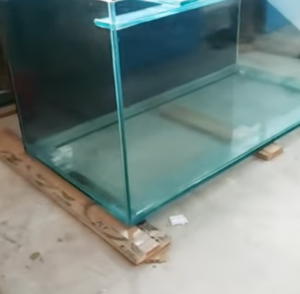 One of the most significant features of many modern aquatic centers is their large glass panel exteriors. These expansive window systems are popular because they create bright, inviting spaces filled with natural light while also providing unobstructed views of outdoor landscapes. However, maintaining these glass walls requires a specialized approach. Indoor pool environments produce continuous moisture, and chloramine-rich air can accelerate corrosion and wear on window frames, seals, and hardware. To keep the building envelope secure, facility managers must routinely inspect for fogging, deterioration, and leaks around the glazing systems.
Sealing In The Warmth During Winter Sessions
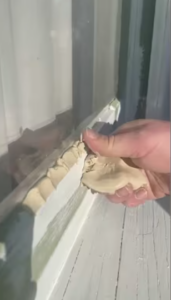 Central to the upkeep of large glass panels is the maintenance of the materials that seal and secure them—most notably window glazing putty. Glazing putty acts as a protective barrier, sealing the edges of glass panes to prevent moisture from seeping into the frame. In high-humidity environments like indoor pools, this putty must be monitored closely because consistent exposure to moist air can cause it to soften, crack, or break down more quickly than in typical buildings. When glazing putty deteriorates, gaps can form, allowing condensation to accumulate inside window assemblies. Over time, this leads to mold growth, wood rot in older frames, and reduced energy efficiency. For aquatic centers, replacing or repairing glazing putty on a regular schedule is essential to keeping the structure sound and minimizing costly long-term damage.
Water Management And Sanitation
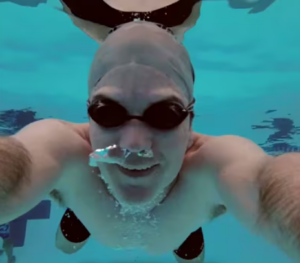 Beyond window systems, the maintenance of indoor pools involves comprehensive water management. Proper chemical balancing is vital to ensuring safe, sanitary swimming conditions. Chlorine, pH levels, alkalinity, and calcium hardness must be tested daily. Filtration systems require routine backwashing and media replacement to maintain water clarity. Ventilation is equally important: aquatic centers need robust HVAC systems designed to control humidity and circulate fresh air to prevent the buildup of chloramines, which can damage building materials and create irritation for swimmers and staff.
Aside from water and air quality, infrastructure upkeep plays a major role in maintaining indoor pools. Deck surfaces must be inspected for cracks, slippery spots, and wear. Lighting systems, tile work, safety equipment, and drainage features all require ongoing attention. Additionally, energy efficiency measures—such as pool covers, high-efficiency pumps, and LED lighting—help reduce operational costs in facilities that run nearly continuously.
Maintaining an indoor pool facility is not just about upkeep; it is also about sustaining the guest experience. Cleanliness, clear water, comfortable air temperatures, and well-maintained building features all contribute to a welcoming environment that encourages return visits. With proper care—including diligent attention to large glass exteriors and their glazing putty—aquatic centers can remain safe, visually appealing, and structurally sound for decades.
 To mark this exciting occasion, many communities organize social events to bring together not only the swim team but also their families, friends, and supporters. The most common event to celebrate the opening of the season is a BBQ or party. These gatherings serve as a way for the community to come together, enjoy good food, and foster team spirit. It’s a perfect way to celebrate the hard work ahead and welcome the new season with a sense of camaraderie.
 When it comes to potlucks or BBQs, people typically bring dishes that are easy to share and fit the outdoor setting. Grilled meats, such as burgers, hot dogs, chicken, and sausages, are always a popular choice. These can be served with a variety of side dishes like potato salad, coleslaw, baked beans, or grilled vegetables, which are perfect for pairing with the main courses. For those who prefer lighter options, fresh salads made with crisp greens, cherry tomatoes, cucumbers, and dressing are great choices. For dessert, fruit salads, cookies, or brownies are often brought to add a sweet touch to the meal. Many families also bring finger foods, such as chips and dip or skewered veggies, to make it easy for guests to grab a bite between conversations.
 When hosting a BBQ, having the right equipment is key, and one of the most important components of any grill is the cooking grates.
 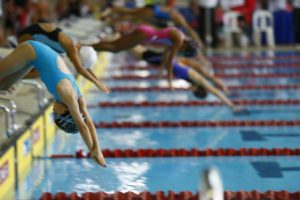 Everyone knows that swimming is a great way to stay in shape, though most of us only do it during the summer months for fun. It tests your endurance and strength in ways that no other exercise or sport can and causes virtually no risk of injury. There is no impact on your joints, which makes it ideal for people of all ages and those in all physical ability levels. Therefore, the idea of swimming on a competitive level is appealing to a lot of people. Especially if you add in the different types of competitive swimming competitions that are available to swimmers.
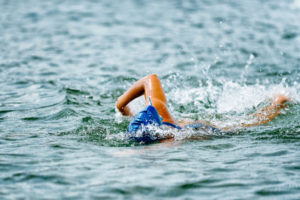 One of the main reasons that people pursue swimming as a sport or exercise is simply the fact that it is enjoyable to do. It is calming for some to be weightless and relaxed in the water, but it can also be invigorating if the water is cool. There is also the fact that it is ideal for a good cardio workout. Water provides you with a natural resistance, so every slight movement is going to work out your muscles in bigger ways than they would outside of the water. This builds strength in weakened muscles and gives your heart a reason to pump a little harder. This extra resistance will also make you breathe a little harder which could help your lungs stay healthier.
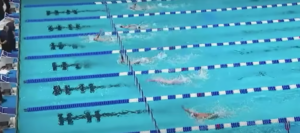
 Typically, you may think of competitive swimming as what you see on television during the Summer Olympics. Swimmers are in a pool and doing laps as quickly as possible, tagging off with their teammates to try and take home the win. This is one form of competition, but there are others. Open water swimming allows you to swim in open water and then you have different competitions for people who want to swim using different techniques such as the backstroke, breaststroke, and butterfly. Swimming may also be competitive when used alongside another type of sport, such as a swim-run where a team of two takes turns swimming and running to get to the finish of the race.