Maintaining indoor pool facilities and aquatic centers requires a careful balance of structural upkeep, water quality management, safety protocols, and long-term building preservation. These environments are uniquely demanding because they combine high humidity, chemical exposure, temperature fluctuations, and constant foot traffic—all factors that place unusual stress on building materials. As a result, successful maintenance programs must include both daily operational tasks and periodic structural care to keep the facility safe, attractive, and functional for swimmers year-round.
Large Glass Panel Maintenance
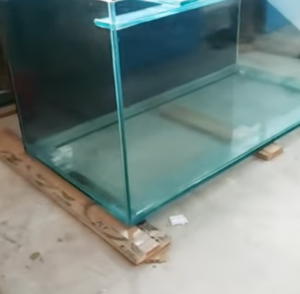 One of the most significant features of many modern aquatic centers is their large glass panel exteriors. These expansive window systems are popular because they create bright, inviting spaces filled with natural light while also providing unobstructed views of outdoor landscapes. However, maintaining these glass walls requires a specialized approach. Indoor pool environments produce continuous moisture, and chloramine-rich air can accelerate corrosion and wear on window frames, seals, and hardware. To keep the building envelope secure, facility managers must routinely inspect for fogging, deterioration, and leaks around the glazing systems.
Sealing In The Warmth During Winter Sessions
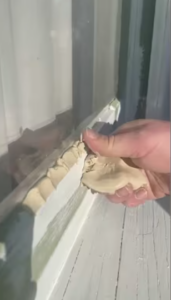 Central to the upkeep of large glass panels is the maintenance of the materials that seal and secure them—most notably window glazing putty. Glazing putty acts as a protective barrier, sealing the edges of glass panes to prevent moisture from seeping into the frame. In high-humidity environments like indoor pools, this putty must be monitored closely because consistent exposure to moist air can cause it to soften, crack, or break down more quickly than in typical buildings. When glazing putty deteriorates, gaps can form, allowing condensation to accumulate inside window assemblies. Over time, this leads to mold growth, wood rot in older frames, and reduced energy efficiency. For aquatic centers, replacing or repairing glazing putty on a regular schedule is essential to keeping the structure sound and minimizing costly long-term damage.
Water Management And Sanitation
 Beyond window systems, the maintenance of indoor pools involves comprehensive water management. Proper chemical balancing is vital to ensuring safe, sanitary swimming conditions. Chlorine, pH levels, alkalinity, and calcium hardness must be tested daily. Filtration systems require routine backwashing and media replacement to maintain water clarity. Ventilation is equally important: aquatic centers need robust HVAC systems designed to control humidity and circulate fresh air to prevent the buildup of chloramines, which can damage building materials and create irritation for swimmers and staff.
Aside from water and air quality, infrastructure upkeep plays a major role in maintaining indoor pools. Deck surfaces must be inspected for cracks, slippery spots, and wear. Lighting systems, tile work, safety equipment, and drainage features all require ongoing attention. Additionally, energy efficiency measures—such as pool covers, high-efficiency pumps, and LED lighting—help reduce operational costs in facilities that run nearly continuously.
Maintaining an indoor pool facility is not just about upkeep; it is also about sustaining the guest experience. Cleanliness, clear water, comfortable air temperatures, and well-maintained building features all contribute to a welcoming environment that encourages return visits. With proper care—including diligent attention to large glass exteriors and their glazing putty—aquatic centers can remain safe, visually appealing, and structurally sound for decades.